The Silent Language of Book Spines
A reflection on the geometry, posture, and material presence of books arranged on a shelf.
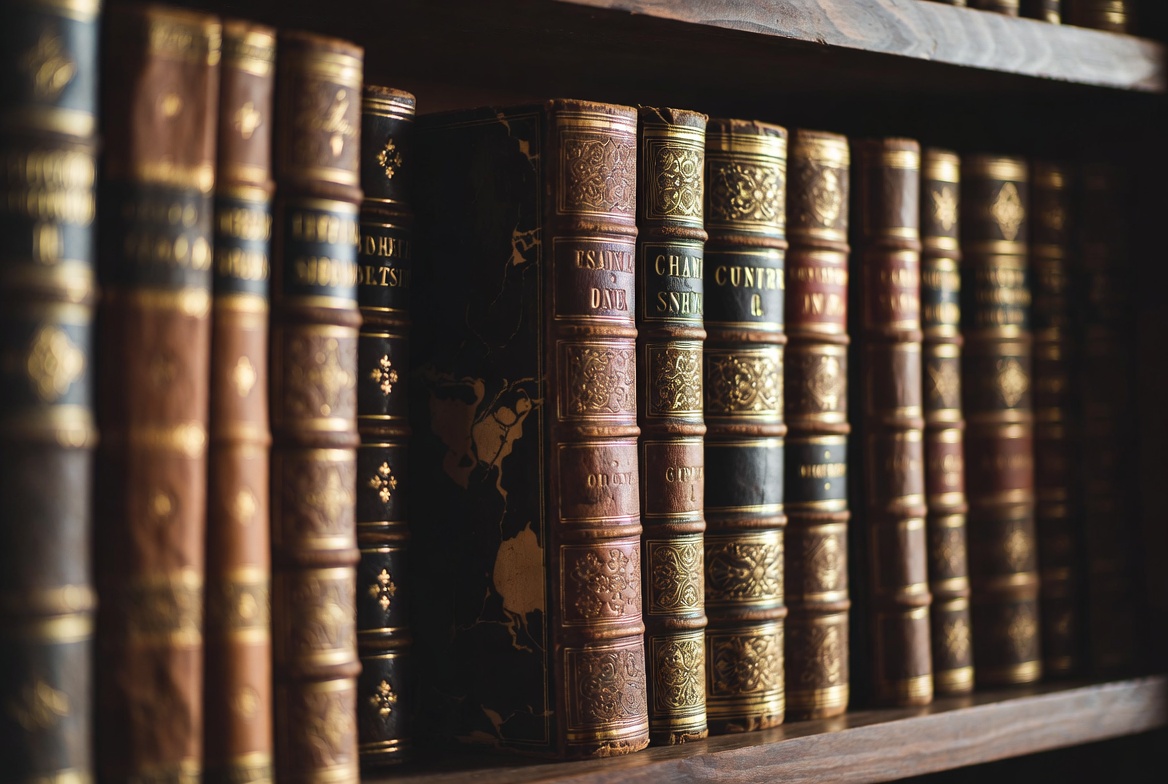
In the quiet geometry of a well-ordered shelf, the spines of books become a private language. Each volume carries its own posture: some stand perfectly upright, others lean slightly as if in conversation with their neighbors. The faded gold lettering on older cloth bindings catches the light differently than the crisp stamping on a modern hardcover. These differences are not merely decorative. They record the history of each book’s journey through hands, rooms, and decades.
Consider the way certain books earn their place at eye level while others remain on lower shelves for years. The volumes that have been taken down and replaced most often develop a particular looseness in their binding. Their spines soften and curve outward in a way that newer books have not yet earned. This physical record of use is one of the most honest forms of annotation a book can carry.
The Posture of a Collection
When I rearrange my shelves, I am not simply making room for new acquisitions. I am listening to the conversation that already exists among the books. A nineteenth-century travel memoir seems to belong beside a contemporary novel set in the same landscape, even if their authors never met. The two volumes lean toward each other slightly, as though acknowledging a shared geography. This is not a system that any cataloging software would recognize, yet it feels more true to the spirit of the books than strict alphabetical order ever could.
There is also the matter of color and texture. A row of uniformly bound sets from a single publisher can feel monotonous, like a regiment on parade. Interspersing them with the varied spines of books acquired individually creates rhythm and surprise. The eye travels along the shelf and stops at unexpected combinations: a small square poetry volume tucked between two tall novels, a paperback with a bright illustrated spine surrounded by somber cloth.
What the Spines Remember
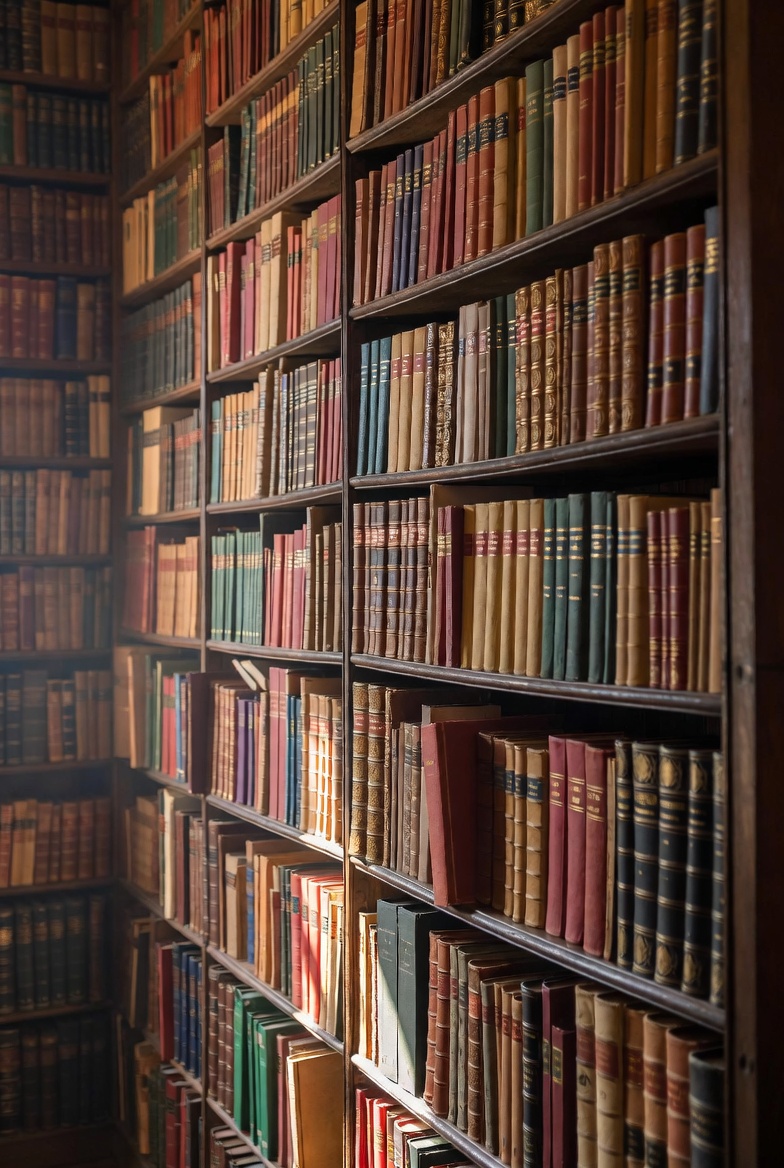
Every spine carries the memory of its making. The raised bands on a hand-bound volume, the precise gold tooling on a Victorian publisher’s cloth, the simple paper label on a mid-century paperback — each represents a different era of book production and a different set of priorities. When I run my finger along a shelf, I am touching not only paper and cloth but the accumulated decisions of printers, binders, and designers across more than a century.
The books that have traveled farthest often show it most clearly on their spines. Sun-fading on one side, a slight warp from humidity, the ghost of a price sticker removed decades ago — these marks become part of the book’s biography. They are the opposite of the pristine copy that has never left a climate-controlled room. A well-traveled book has earned its wear the way a walking stick earns its polish.
I have come to believe that the ideal private library is not the one with the most valuable titles or the most complete runs of an author’s work. It is the one whose spines, when viewed together, tell a coherent and surprising story about the person who arranged them. That story is never finished. It shifts with every new volume added and every old volume taken down to be read again.